Essential Keto Meal Planning Tips For Beginners
Embarking on a ketogenic diet can be a transformative journey, offering numerous health benefits such as weight loss, improved mental clarity, and increased energy levels. However, for beginners, the transition to a keto lifestyle can be daunting. Essential to this process is effective meal planning, which not only simplifies the dietary shift but also ensures nutritional adequacy and variety. To begin with, understanding the fundamental principles of the ketogenic diet is crucial. This low-carbohydrate, high-fat diet aims to shift the body’s metabolism from relying on glucose to utilizing ketones, which are produced from fat. Consequently, the macronutrient composition of meals should be carefully considered, with a typical keto diet comprising approximately 70-75% fat, 20-25% protein, and 5-10% carbohydrates.
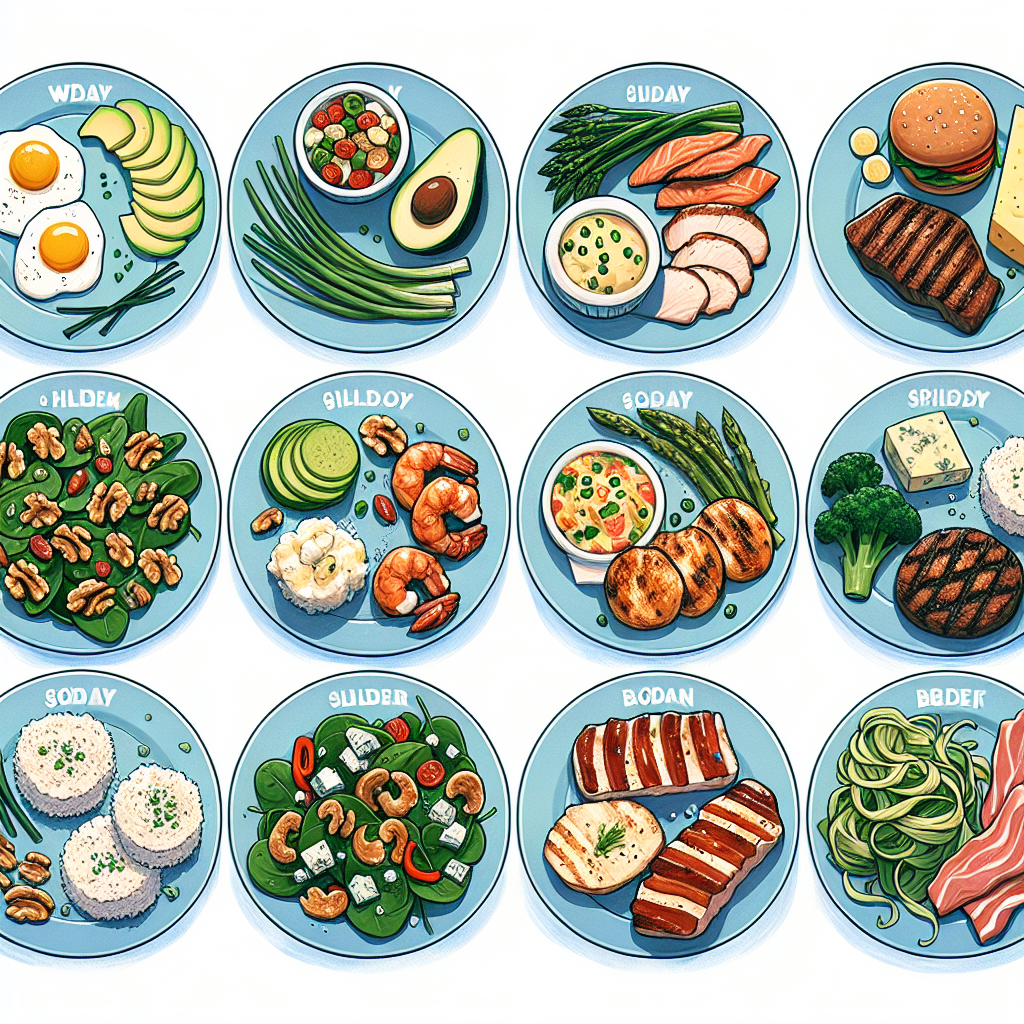
To facilitate this dietary transition, it is advisable to start by familiarizing oneself with keto-friendly foods. These include high-fat options such as avocados, nuts, seeds, and oils, as well as moderate-protein sources like eggs, poultry, and fish. Additionally, low-carbohydrate vegetables such as leafy greens, broccoli, and zucchini should be incorporated to provide essential vitamins and minerals. By focusing on these food groups, beginners can create a diverse and satisfying meal plan that adheres to keto guidelines.
Moreover, planning meals in advance is a strategic approach that can significantly enhance adherence to the diet. By dedicating time each week to plan and prepare meals, individuals can avoid the pitfalls of impulsive eating and ensure that they have access to keto-compliant options at all times. This practice not only saves time and reduces stress but also minimizes the temptation to deviate from the diet. Furthermore, meal prepping can be an effective way to manage portion sizes and control macronutrient intake, which is vital for maintaining ketosis.
In addition to meal planning, it is important to stay hydrated and maintain electrolyte balance, as the ketogenic diet can lead to increased water loss. Consuming adequate amounts of water, along with foods rich in electrolytes such as potassium, magnesium, and sodium, can help mitigate common side effects like the “keto flu.” Incorporating bone broth, leafy greens, and nuts into the diet can be beneficial in this regard.
Transitioning to a keto lifestyle also requires a degree of flexibility and experimentation. As each individual’s nutritional needs and preferences vary, it may be necessary to adjust the meal plan to find what works best. This could involve trying new recipes, exploring different cooking methods, or even incorporating intermittent fasting to enhance the effects of ketosis. By remaining open to change and willing to adapt, beginners can create a sustainable and enjoyable keto experience.
Finally, it is essential to monitor progress and make adjustments as needed. Keeping track of food intake, energy levels, and physical changes can provide valuable insights into how the body is responding to the diet. This information can guide future meal planning decisions and help identify any areas that may require modification. By approaching the ketogenic diet with a strategic and informed mindset, beginners can successfully navigate the initial challenges and reap the long-term benefits of this dietary approach.
Top 10 Keto-Friendly Foods To Include In Your Meal Plan
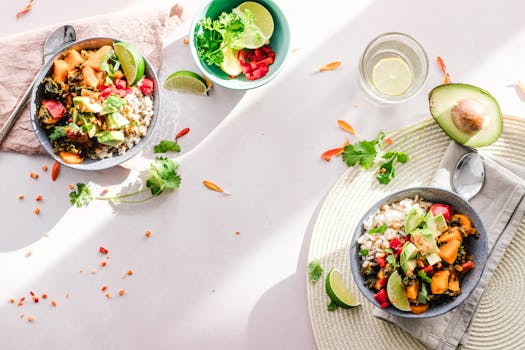
The ketogenic diet, commonly referred to as the keto diet, has gained significant popularity in recent years due to its potential benefits for weight loss and overall health. Central to this diet is the consumption of foods that are low in carbohydrates and high in fats, which encourages the body to enter a state of ketosis. In this metabolic state, the body efficiently burns fat for energy instead of carbohydrates. To successfully adhere to a keto meal plan, it is essential to incorporate foods that align with these dietary principles. Here, we explore the top ten keto-friendly foods that can be seamlessly integrated into your meal plan.
To begin with, avocados are a quintessential component of the keto diet. Rich in healthy monounsaturated fats, avocados are also low in carbohydrates, making them an ideal choice. They are versatile and can be used in salads, smoothies, or even as a topping for various dishes. Moreover, they provide essential nutrients such as potassium and fiber, which are beneficial for maintaining overall health.
Transitioning to another staple, eggs are a highly nutritious option that fits well within a keto meal plan. They are an excellent source of protein and contain essential vitamins and minerals. Eggs can be prepared in numerous ways, from scrambled to poached, offering variety and convenience. Additionally, they are known to promote satiety, helping to control hunger throughout the day.
In addition to eggs, fatty fish such as salmon, mackerel, and sardines are highly recommended for those following a keto diet. These fish are rich in omega-3 fatty acids, which are known for their anti-inflammatory properties and cardiovascular benefits. Including fatty fish in your meal plan not only supports ketosis but also contributes to overall health.
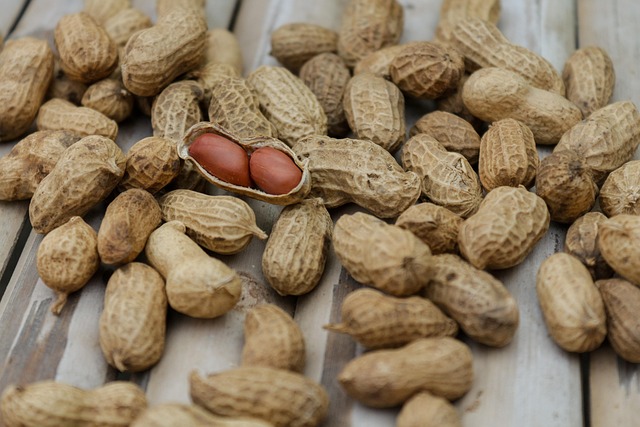
Furthermore, nuts and seeds are another group of foods that are both nutritious and keto-friendly. Almonds, walnuts, chia seeds, and flaxseeds are excellent choices due to their high fat content and low carbohydrate levels. They can be consumed as snacks or added to meals for an extra crunch and nutritional boost.
Cheese, a beloved food for many, is also compatible with the keto diet. It is high in fat and low in carbohydrates, making it a suitable option for those aiming to maintain ketosis. With a wide variety of cheeses available, such as cheddar, mozzarella, and brie, there is ample opportunity to incorporate this food into your meal plan creatively.
Moreover, non-starchy vegetables like spinach, kale, and broccoli are essential for a balanced keto diet. These vegetables are low in carbohydrates and high in fiber, vitamins, and minerals. They can be used in salads, stir-fries, or as side dishes, providing both nutrition and flavor.
Transitioning to another important food group, oils and fats such as olive oil, coconut oil, and butter are crucial for achieving the high-fat intake required by the keto diet. These oils can be used in cooking or as dressings, enhancing the taste and nutritional value of meals.
Lastly, berries such as strawberries, raspberries, and blackberries can be enjoyed in moderation on a keto diet. They are lower in carbohydrates compared to other fruits and provide antioxidants and vitamins that support overall health.
In conclusion, incorporating these top ten keto-friendly foods into your meal plan can help you maintain ketosis while ensuring a balanced and nutritious diet. By selecting foods that are high in healthy fats and low in carbohydrates, you can enjoy the benefits of the keto diet while savoring a variety of delicious meals.
How To Create A Balanced Keto Meal Plan For Weight Loss
Creating a balanced keto meal plan for weight loss requires a thoughtful approach to ensure nutritional adequacy while promoting effective weight management. The ketogenic diet, characterized by high-fat, moderate-protein, and low-carbohydrate intake, shifts the body’s metabolism from relying on glucose to utilizing ketones as a primary energy source. This metabolic state, known as ketosis, can facilitate weight loss by enhancing fat burning. However, crafting a meal plan that aligns with these principles necessitates careful consideration of macronutrient ratios, food choices, and meal timing.
To begin with, understanding the macronutrient distribution is crucial. A typical ketogenic diet consists of approximately 70-75% of calories from fats, 20-25% from proteins, and only 5-10% from carbohydrates. This composition encourages the body to enter and maintain ketosis. Selecting healthy fat sources is essential; options such as avocados, nuts, seeds, olive oil, and fatty fish provide beneficial monounsaturated and polyunsaturated fats. These not only support heart health but also contribute to satiety, reducing the likelihood of overeating.
Incorporating adequate protein is equally important. While protein intake should be moderate, it plays a vital role in preserving lean muscle mass during weight loss. Lean meats, poultry, eggs, and plant-based proteins like tofu and tempeh are excellent choices. It is important to avoid excessive protein consumption, as this can potentially interfere with ketosis by converting protein into glucose through gluconeogenesis.
Carbohydrate restriction is a hallmark of the ketogenic diet. To achieve this, focus on low-carbohydrate vegetables such as leafy greens, broccoli, cauliflower, and zucchini. These vegetables are not only low in carbs but also rich in essential vitamins, minerals, and fiber, which are crucial for overall health and digestive function. Berries, in moderation, can also be included for their antioxidant properties and relatively low carbohydrate content.
Meal timing and portion control further enhance the effectiveness of a keto meal plan. Intermittent fasting, which involves cycling between periods of eating and fasting, can complement the ketogenic diet by promoting ketosis and improving metabolic flexibility. Common approaches include the 16/8 method, where individuals fast for 16 hours and eat during an 8-hour window. This strategy can help regulate hunger hormones and improve insulin sensitivity, contributing to weight loss.
Moreover, staying hydrated is vital, as the ketogenic diet can have a diuretic effect, leading to increased water loss. Adequate hydration supports metabolic processes and can prevent common side effects such as headaches and fatigue. Electrolyte balance should also be maintained by consuming foods rich in sodium, potassium, and magnesium or by using supplements if necessary.
In conclusion, creating a balanced keto meal plan for weight loss involves a strategic approach to macronutrient distribution, food selection, and meal timing. By prioritizing healthy fats, moderate protein, and low-carbohydrate vegetables, individuals can effectively enter and sustain ketosis. Additionally, incorporating intermittent fasting and ensuring proper hydration can further enhance the diet’s benefits. With careful planning and adherence to these principles, a ketogenic meal plan can be a powerful tool for achieving weight loss goals while supporting overall health.
Related Posts

Technical Analysis: 4 Stocks with signs of death crossovers to keep an eye on

HDFC Bank & 3 other fundamentally strong stocks trading above 200 DMA to keep an eye on

Falling Channel Breakout: Multibagger NBFC Stock Shows Bullish Momentum on Daily Chart

4 Fundamentally strong stocks to buy for an upside potential of up to 36%; Do you hold any?